
Irrigation Emitters
Wong, Bryce. 2023.
Designed in California.
Over the course of my career, I have engineered and developed more than 30 irrigation emitters, each tailored with specific spray radii, flow rates, and distribution patterns to meet the needs of diverse irrigation applications. These products span multiple emitter families and performance classes, all optimized through rigorous computational analysis.
Using computational fluid dynamics (CFD), I conducted detailed flow simulations to predict real-world behavior, including pressure–flow relationships, spray uniformity, droplet formation, and overall distribution efficiency. These simulations allowed me to precisely tune each emitter’s performance to achieve target flow rates and spray profiles before proceeding to physical prototyping.
All designs were developed in SolidWorks, where I created the internal flow paths, labyrinth geometries, and tortuous channels that govern flow regulation. I managed material selection, tolerance development, and design-for-manufacture considerations to ensure both flow accuracy and robust performance in the field. Many of these emitters represent significant improvements over previous generations, contributing to higher efficiency, better reliability, and strong customer adoption.
Throughout development, I led the full project lifecycle—including planning, design reviews, tooling evaluations, and cross-functional coordination across engineering, manufacturing, quality, and marketing—to ensure smooth execution and rapid time-to-market.
These emitter platforms continue to be trusted by customers for their precision, durability, and consistently high field performance.

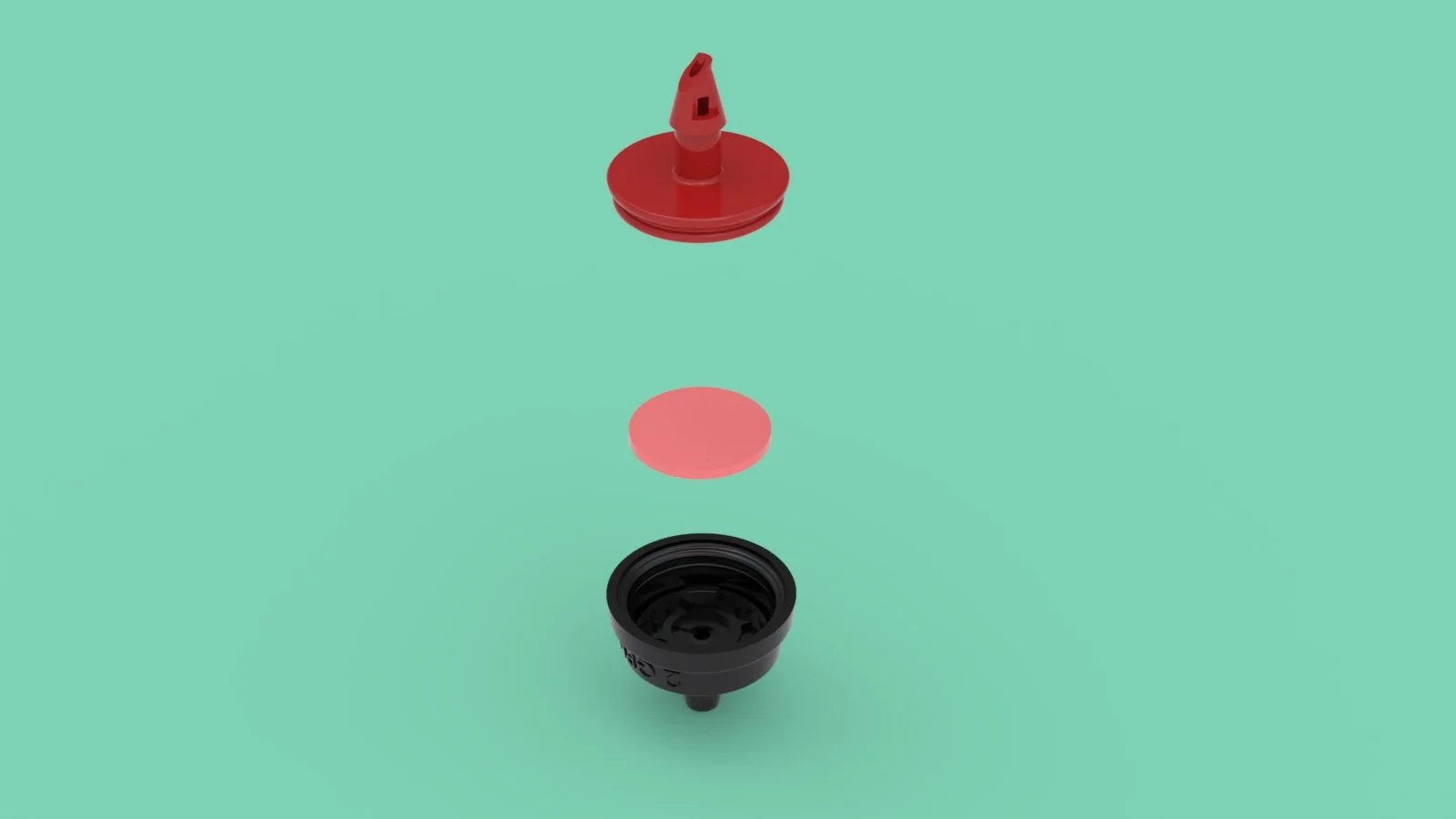
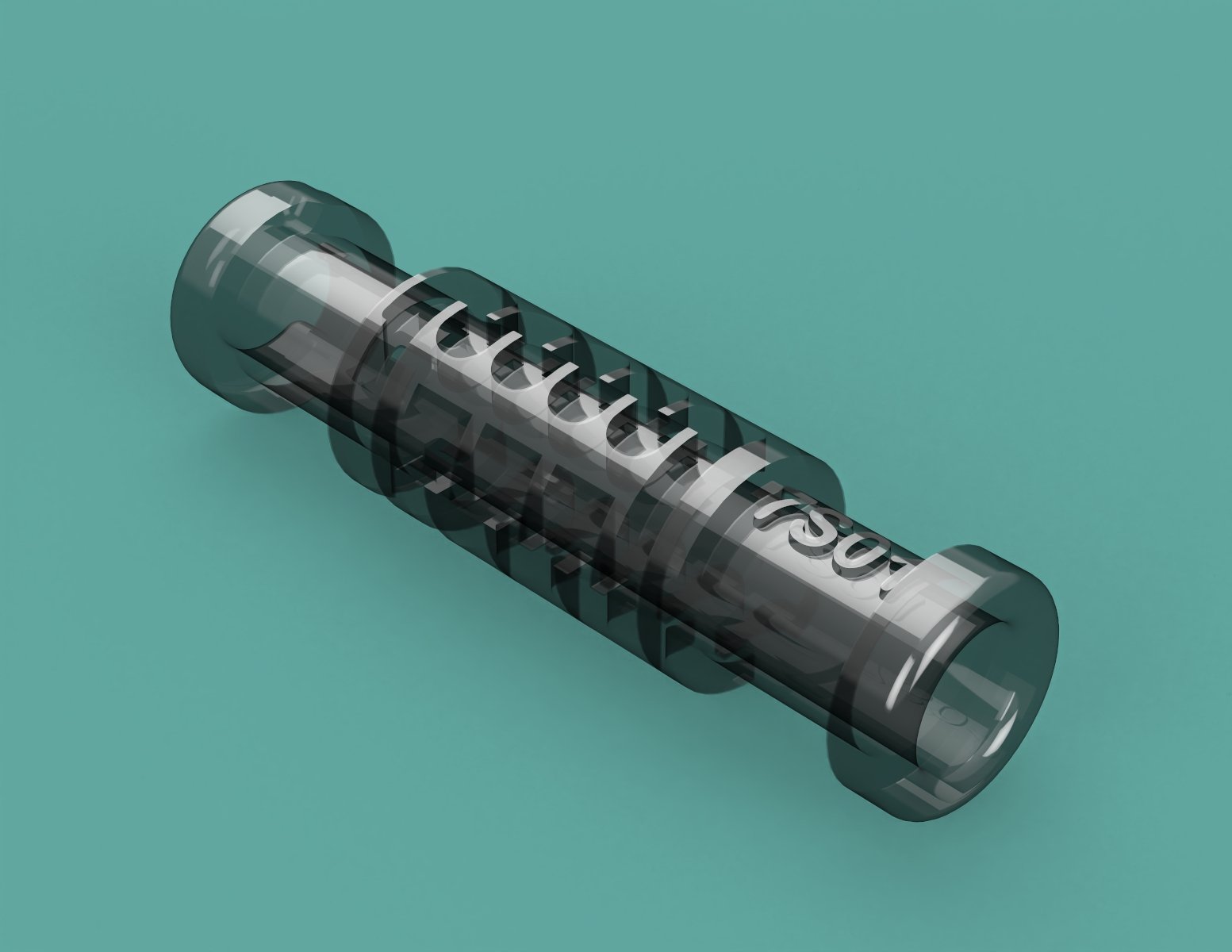
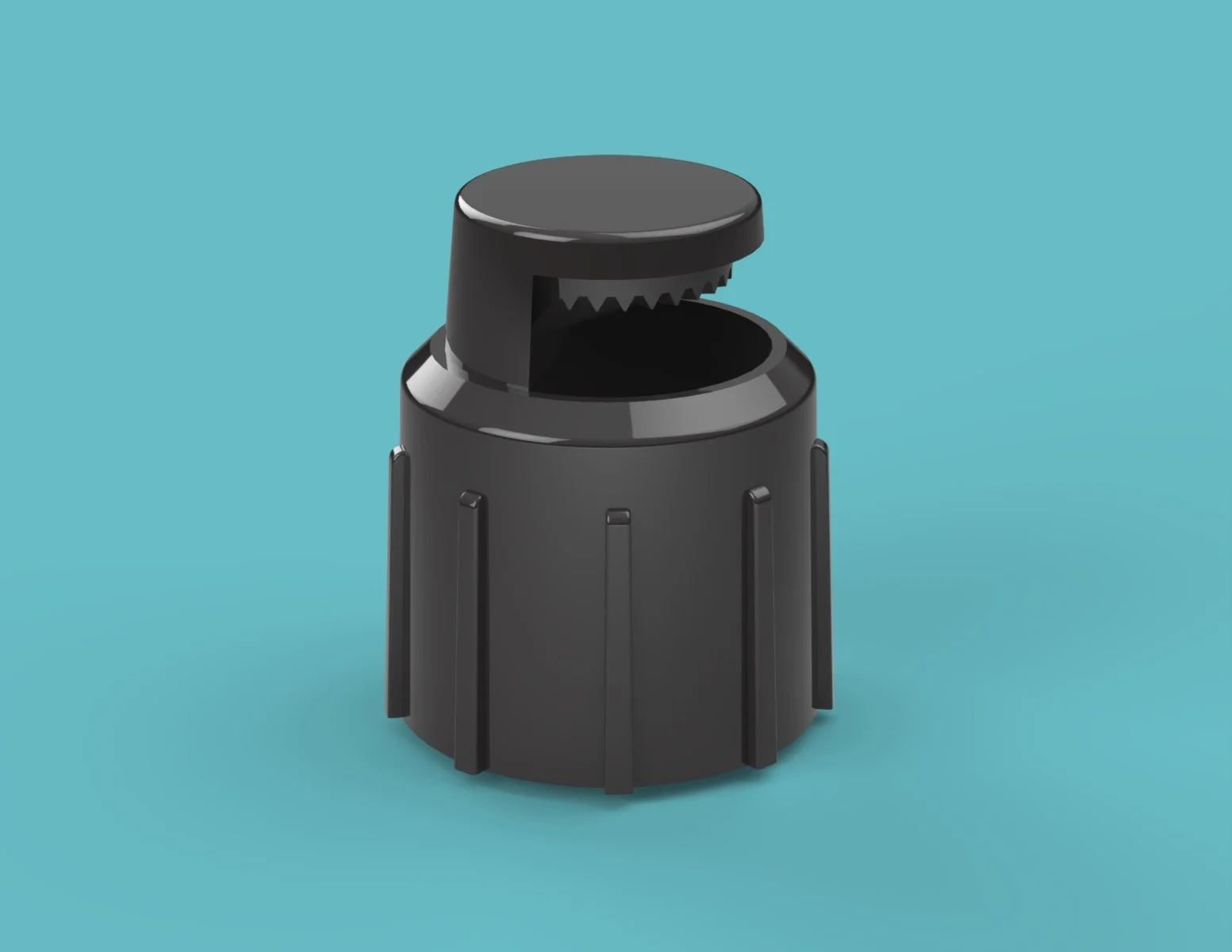
Drip Irrigation
Pressure-Compensating Emitter – Internal Flow Simulation
Understanding how water travels through a pressure-compensating emitter is critical for optimizing performance, ensuring consistent flow rates, and validating the design of the internal labyrinth and regulation features. The video on the right provides a brief demonstration of a CFD simulation that visualizes the water’s flow path through the emitter, highlighting areas of pressure drop, velocity changes, and flow regulation. This type of analysis is essential for fine-tuning the geometry to achieve reliable pressure-compensating behavior across a wide range of operating conditions.